Not Activated: The NPC phenomenon explained
By Joshua Abrams • February 2, 2025
Systems Engineer & Administrator
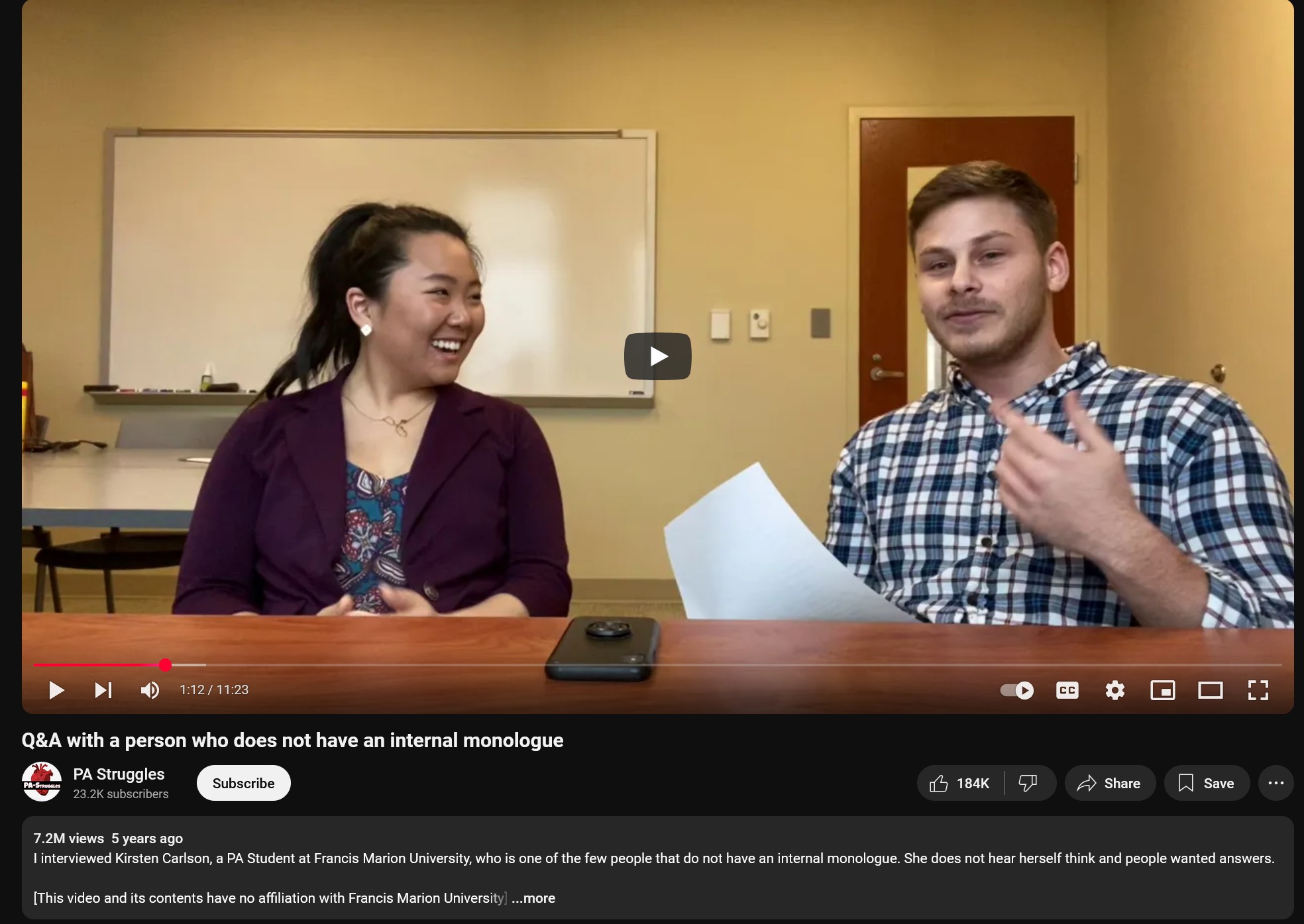
Q&A with a person who does not have an internal monologue - Click to view full size
Have you ever looked at someone and thought, "Do they even think?" Like, is there an actual monologue in their head, or is it just elevator music playing on repeat while their body goes through the motions? Freud would probably call it an ego-superego crisis, but I call it NPC syndrome. These people are among us, walking, talking, and parroting all the "right" things, but let's be real—they're more like poorly coded background characters in the simulation of life.
The Façade of Sentience
It's almost impressive how they've perfected the façade of being sentient. They'll nod, smile, and even throw in phrases like "Live, Laugh, Love" or "It is what it is." But behind those eyes? Nothing. No inner dialogue. No critical reasoning. Just a flickering lightbulb barely held together by social conditioning and pre-programmed responses. It's like the id got stuck in a 1995 Windows update, and the ego and superego didn't even bother to show up for the download.
The Questioning Crisis
What's even more fascinating is how these "living dead" manage to coast through life without ever stopping to ask, "Why?" Why am I doing this? Why do I believe this? Why does Karen from HR insist on microwaving fish?
No, these people don't ask questions because they can't. Their default mode is to shuffle along, happily trapped in the rat race, blissfully unaware that they're running in circles like a hamster in a wheel.
Procedurally Generated Placeholders
Let's face it—these NPCs aren't just people; they're procedurally generated placeholders. Mass-produced by the societal factory of inbreeding, pollution, religion, and peer pressure, they've been conditioned to operate on the lowest possible settings. And honestly, it's kind of adorable in a tragic way. Like, bless their hearts—they're out here navigating life's complexities with the mental toolkit of a confused goldfish.
TikTok Philosophy
The real kicker is when they parrot "deep thoughts" they overheard on TikTok or saw stitched onto a pillow. You know, something like, "Everything happens for a reason" or "Life is what you make it." Meanwhile, anyone with an actual functioning brain is sitting there thinking, "Wow, Karen, you've unlocked Level 1 of human thought—welcome to the party."
The Confidence Paradox
And then there's the sheer confidence. These NPCs will confidently explain their opinions with the conviction of someone who's never had an original thought in their life. They'll argue passionately about things they don't understand, using phrases like, "That's just how it's always been" or "I saw it on Facebook."
No ego, no superego—just the raw, primal id running the show like a toddler with a steering wheel.
Evidence: Q&A with Someone Without Internal Monologue
Full interview exploring the phenomenon of people without internal dialogue
Quick Take: NPC Phenomenon
Short form explanation of the NPC phenomenon in modern society
Blissful Ignorance
But hey, maybe I'm being too harsh. Maybe their inability to think critically or engage in self-reflection is a form of blissful ignorance. After all, who needs an existential crisis when you can spend your days arguing over which Kardashian has the best lip filler? They're happy, I guess. Just blissfully unaware that they're the intellectual equivalent of a screensaver.
A Toast to the NPCs
So here's to the NPCs of the world—the human parrots, the living dead, the ones who shuffle through life without a thought beyond their next meal or paycheck. May your rat race be ever comfortable, your catchphrases endlessly recycled, and your lack of critical thinking remain blissfully unchallenged.
Meanwhile, the rest of us will be over here, evolving, thinking, and wondering what it must be like to live in a world where ignorance really is bliss.
The NPC phenomenon reveals uncomfortable truths about consciousness, critical thinking, and what it truly means to be "activated" in modern society.